loading
PRO
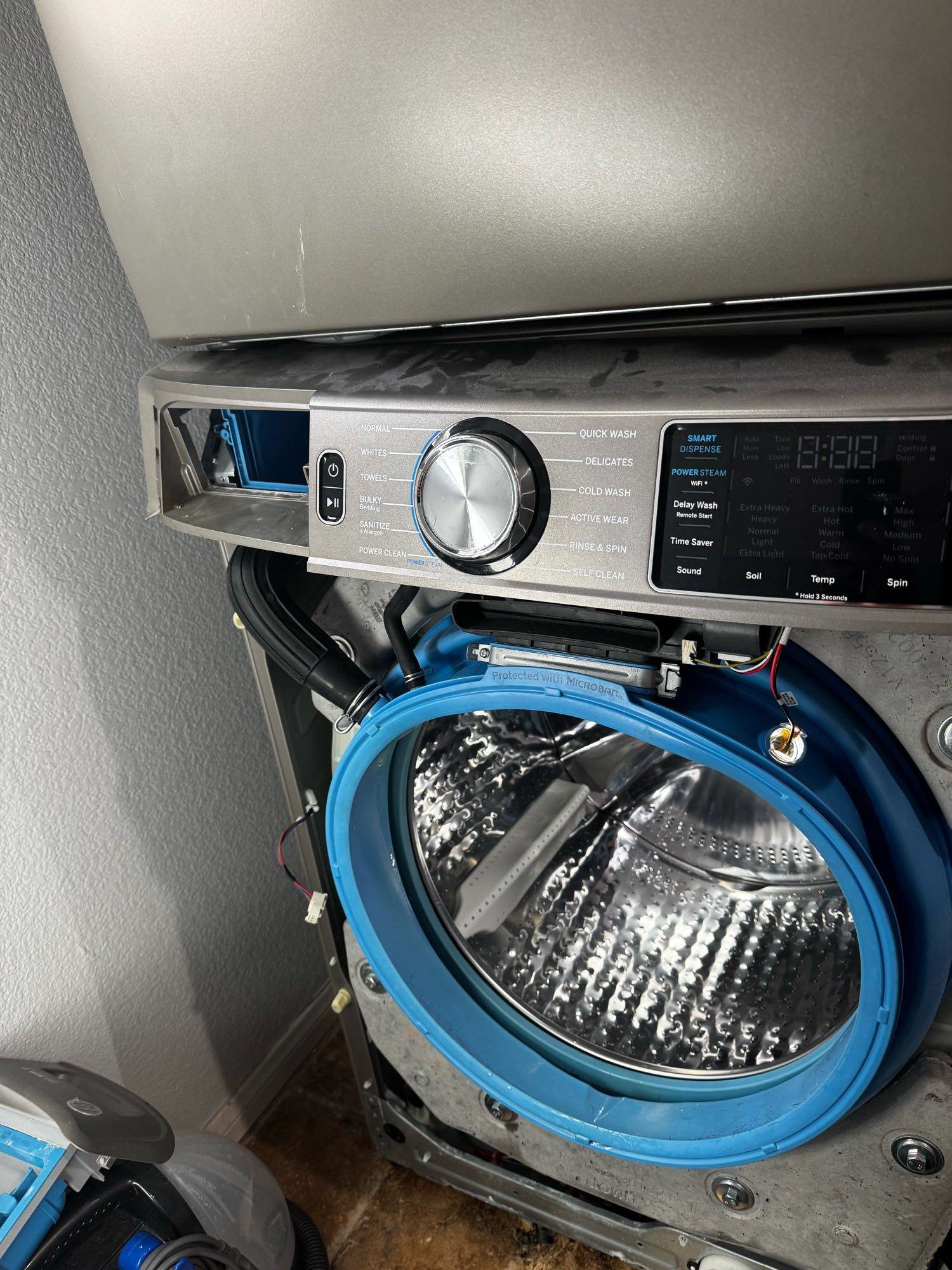
Many homeowners assume that if a washing machine drains properly, it is functioning correctly. Yet, a surprisingly common problem persists: detergent residue remaining on clothes even after a complete wash cycle. This can be frustrating, as clothes may feel stiff, develop an unpleasant odor, or even trigger skin irritation. While many people blame the type of detergent or water hardness, the real culprit is often a hidden fault in the washing machine’s dosing system. Modern washing machines are designed to deliver precise amounts of detergent based on load size and water level. The dosing system regulates the flow of detergent into the drum, ensuring that it dissolves fully during the wash cycle. Over time, however, components such as the detergent drawer, hoses, or internal valves can accumulate limescale, soap scum, or debris. This buildup can obstruct detergent flow, causing it to remain in the drawer or only partially reach the drum. The result? Clothes that appear clean but retain detergent residue. Homeowners often notice this problem after switching detergents, washing smaller loads, or using high-efficiency machines. Low-sudsing detergents, which are recommended for modern machines, can still leave traces if the dosing system isn’t functioning optimally. Similarly, overdosing or underdosing detergent can exacerbate the issue, as the machine’s sensors may not compensate correctly. Signs that your washing machine dosing system may be faulty include:
  • Detergent residue on the inside of the drum or door seal.
  • White powdery or sticky spots on clothes even after rinsing.
  • A detergent drawer that looks clogged or difficult to clean.
  • Clothes that feel stiff, scratchy, or retain odor after washing.
Ignoring these symptoms can lead to more serious consequences. Residual detergent can degrade fabrics over time, weaken fibers, and cause skin irritation, particularly for individuals with sensitive skin. In addition, excess detergent buildup can attract mold and mildew, creating unpleasant odors inside the machine and potentially leading to more costly repairs down the line. While some may attempt to fix this problem by switching detergents or adjusting water temperature, these solutions often only provide temporary relief. The underlying issue — the dosing system malfunction — remains. A professional inspection can identify whether the fault lies in the drawer, valve, or internal hoses, and recommend the most effective solution. In many cases, a thorough cleaning or replacement of worn components is required to restore proper detergent flow. Regular maintenance can prevent this issue from escalating. Cleaning the detergent drawer and checking hoses for blockages should be part of routine washing machine care. Additionally, using the correct detergent type and dosage for your machine is essential. However, if residue persists despite these measures, it is a strong indicator that the dosing system is malfunctioning and requires professional attention. At San Diego Appliance Repair Service, our experienced technicians specialize in diagnosing and repairing washing machine dosing system faults. We can quickly identify the root cause of detergent residue problems and provide effective solutions, ensuring your machine delivers consistently clean and fresh laundry. Don’t let a small mechanical fault compromise your clothes or skin health — a professional inspection can save you time, money, and frustration in the long run. If your washing machine drains properly but continues to leave detergent residue, contact San Diego Appliance Repair Service today. Our experts will restore your machine to optimal performance, leaving your laundry spotless and residue-free. With prompt attention and professional care, detergent residue will no longer be an issue.   Contact us (619) 719-5005   [email protected]