
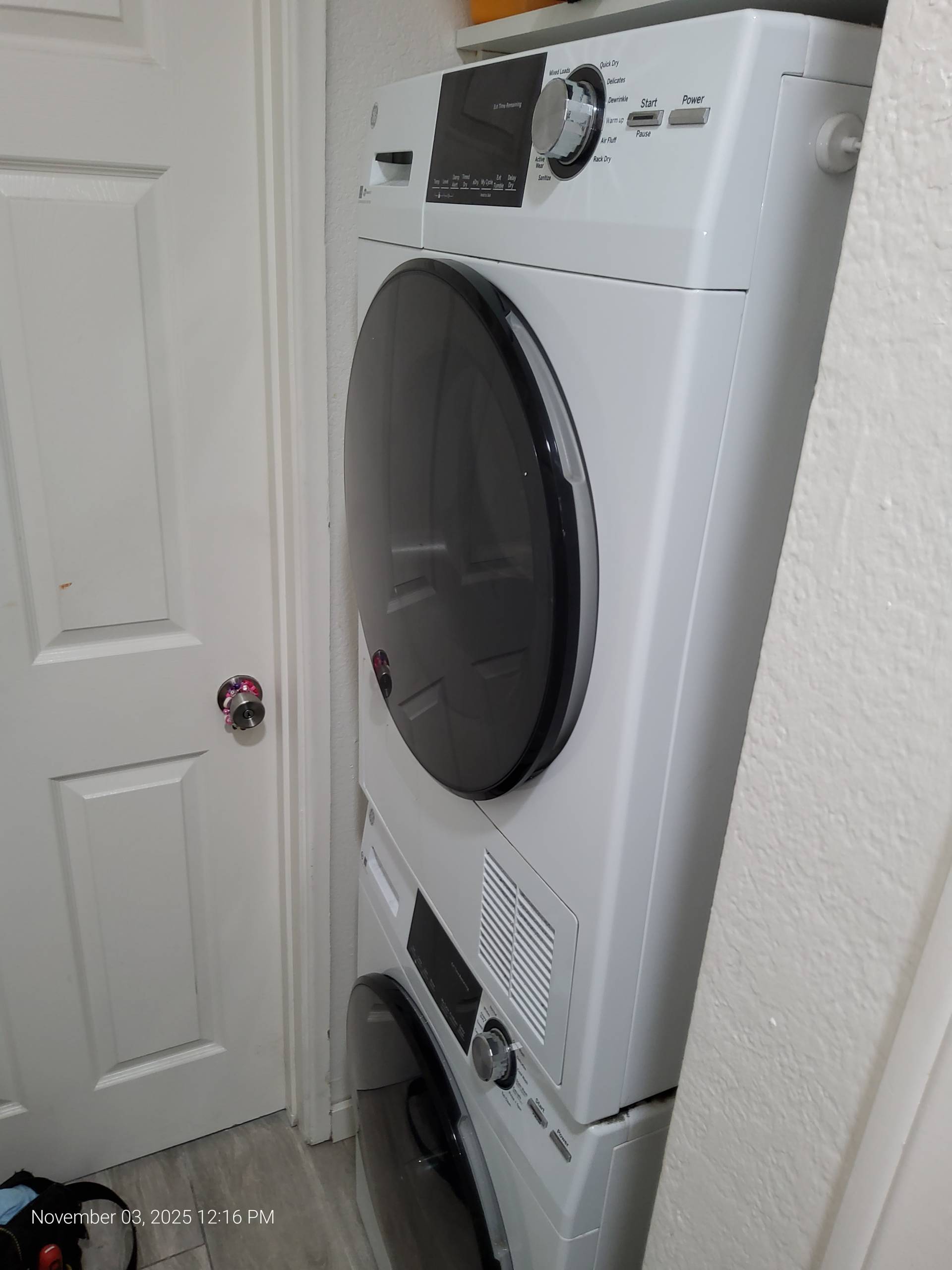
Modern washing machines are designed to handle a variety of fabrics, from durable cotton to delicate synthetics. Most homeowners expect their machines to wash all fabrics effectively, especially when following the recommended cycle settings. Yet, there is a subtle, often overlooked issue that can affect the performance of washing machines: the selective struggle with synthetic fabrics. Many users report that cotton cycles work perfectly, but when it comes to polyester, nylon, or blends, clothes come out less clean, with residual detergent, or even slightly stretched or damaged.
This fabric-specific fault is surprisingly common, yet it is rarely recognized until it starts affecting daily laundry routines. The root of the problem often lies not in the detergent, the wash load, or even user error, but in the machine’s internal handling of different fabric types. Synthetics require a gentler approach than cotton. They tend to trap dirt differently and have a lower tolerance for high agitation or improper water temperature. When a washing machine’s mechanical or electronic systems fail to adjust properly for these characteristics, the result is subpar cleaning performance for synthetic items.
One key factor is agitation control. Cotton fibers are robust and can withstand vigorous spinning and water movement, allowing the machine to lift dirt effectively. Synthetics, on the other hand, are more sensitive. Too much agitation can cause fabric to stretch, pill, or even develop micro-tears. If a washing machine’s sensors or motor fail to adjust for the lower resistance and gentler handling required for synthetics, the machine continues treating them like cotton. The result: poorly cleaned clothes, tangling, or damage over time.
Another contributing factor is water temperature management. Cotton responds well to warm water, which helps dissolve detergent and break down dirt. Synthetic fabrics often require cooler water to avoid shrinking or deforming. Some washing machines struggle to accurately regulate temperature during synthetic cycles, either delivering water that is too hot or failing to maintain consistent warmth. In both cases, cleaning efficiency drops, and users may blame the detergent rather than recognizing a machine-specific fault.
The detergent dispensing system can also play a role. Certain synthetic fabrics hold on to detergents differently than cotton. Machines that fail to fully rinse synthetic loads may leave residues, resulting in stiff, itchy, or discolored fabrics. Over time, these residues can build up inside the drum, further exacerbating washing issues.
It is easy to dismiss this problem as a minor nuisance, but ignoring it can have long-term consequences. Continually washing synthetics under suboptimal conditions can degrade fabric quality and even shorten the lifespan of your washing machine. Overworked motors, sensors, and pumps can start to fail, especially if the machine repeatedly struggles with cycles it was not effectively designed to manage.
Identifying the issue requires careful observation. Users should monitor how different fabrics respond to standard cycles. If cotton cycles perform flawlessly but synthetic loads show signs of inadequate cleaning, tangling, or residue, the problem is likely mechanical or sensor-related rather than detergent-based. Advanced machines with smart sensors may sometimes display error codes or unusual cycle durations when struggling with synthetics, providing additional clues.
Addressing this fabric-specific fault is not typically a DIY job. It often involves inspecting and servicing the temperature sensors, agitation controls, and water inlet systems. A professional technician can recalibrate or replace faulty components, ensuring that synthetic fabrics are washed with the same efficiency and care as cotton. Preventative maintenance is equally important: routine inspections and cleanings can prevent minor faults from becoming major issues that compromise both your laundry and your machine.
Homeowners in the San Diego area experiencing this issue should consider professional service from a trusted provider. San Diego Appliance Repair Service specializes in diagnosing and repairing subtle washing machine faults, including fabric-specific performance problems. Their trained technicians can restore your washing machine’s ability to handle all fabrics effectively, prolonging the lifespan of both your clothes and your appliance.
In conclusion, a washing machine that performs well with cotton but struggles with synthetics is not a defect of the laundry itself or user error—it is a real, fabric-specific fault hidden within the machine’s systems. Recognizing the signs early and seeking professional repair can save you time, money, and frustration while keeping your clothes in top condition. Don’t let a subtle fault turn into a costly problem: schedule service with San Diego Appliance Repair Service today and ensure every fabric in your wardrobe receives the care it deserves.
Contact us
(619) 719-5005
[email protected]