
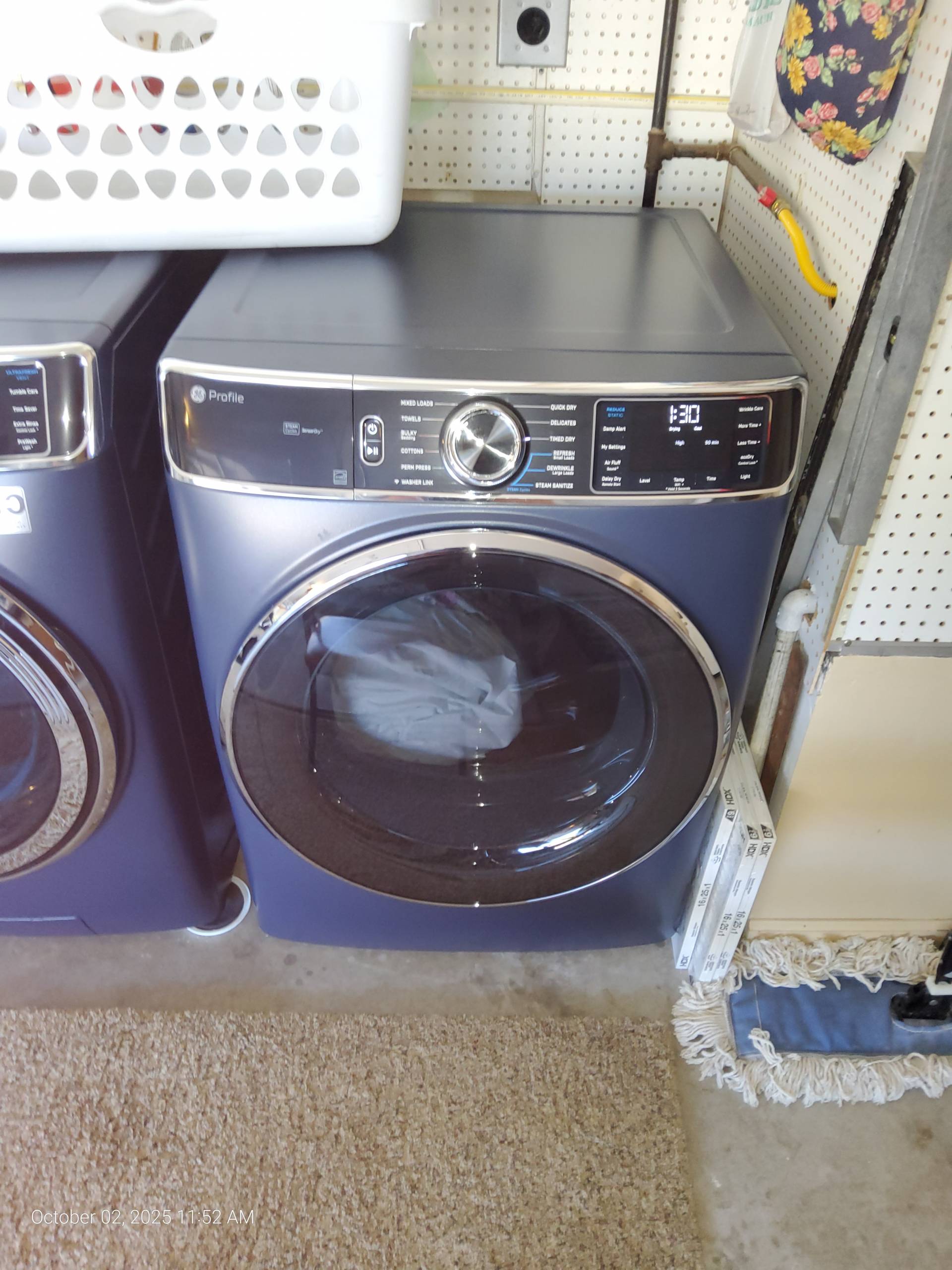
A washing machine that runs and completes cycles may seem perfectly fine — until you notice your clothes coming out with an unpleasant odor. Many homeowners assume that a foul smell is a minor inconvenience or the result of dirty laundry. In reality, a strange smell often signals a hidden issue in your washing machine that, if left unresolved, can worsen over time and even affect the longevity of your appliance.
Understanding the Source of the Smell
The most common cause of lingering odors is the buildup of mold and mildew. Washing machines, especially front-loading models, create an environment that is warm and damp — perfect for bacterial growth. Detergent residues, fabric softener, and trapped lint can accumulate in the drum, gasket, detergent drawer, and drainage system, producing a musty smell.
Top-loading machines are not immune. While they may drain water more efficiently, poor cleaning habits or using too much detergent can also result in residue buildup that fosters bacterial growth. Over time, these residues create not only bad smells but also potential health hazards, including allergic reactions or skin irritation.
Signs Your Machine Needs Attention
- Persistent odor: Even after a full wash cycle with hot water, clothes retain a sour or moldy smell.
- Visible mold or residue: Dark spots in the rubber door gasket or detergent drawer are a clear warning.
- Clogged or slow drainage: Water that does not drain completely can stagnate, leading to bacteria buildup.
- Slime or film in the drum: This usually indicates bacterial colonies forming in hard-to-reach places.
- Regular cleaning cycles: Run a hot water wash with a washing machine cleaner or a mixture of white vinegar and baking soda at least once a month. This helps dissolve residues and kill bacteria.
- Keep the machine dry: After each wash, leave the door open to allow the drum to dry completely. Wipe down the gasket and detergent drawer regularly.
- Use detergent correctly: Overusing detergent can leave residues that trap bacteria. Follow manufacturer guidelines carefully.
- Check drainage and filters: Clean lint filters and ensure proper drainage. Blocked drains create stagnant water, a perfect breeding ground for odors.
- Professional inspection: Sometimes, buildup occurs in parts that are inaccessible without technical knowledge. A qualified technician can identify hidden mold, clogged pipes, or faulty seals that contribute to lingering smells.